Less commonly used supplements included vitamin B 12 or vitamin B complex (72 patients), fish oil (51 patients), magnesium (29 patients), coenzyme Q10 (15 patients), cannabis products (12 patients), turmeric or curcumin (11 patients), calcium (9 patients), folic acid (9 patients), zinc (9 patients), probiotics (7 patients), iron (6 patients), vitamin C (5 patients), various organ-support products (3 patients), alpha-lipoic acid (2 patients), biotin (2 patients), Boswellia complex (2 patients), melatonin (2 patients), and 1 report each of acetyl-L-carnitine, ashwagandha, black cohosh, cranberry extract, ginger oil, ginseng, green tea extract, lysine, nettle leaf, oregano oil, primrose oil, and valerian root
Department of Defense has confirmed that BPC-157 is a prohibited peptide and unapproved drug found in health and wellness products

Sometimes covered by insurance: Custom orthotics (our office can submit a pre authorization to assess your coverage) We will: Verify your specific coverage before treatment Provide documentation for HSA/FSA reimbursement Offer flexible payment plans for cash-pay services Investment in Your Healing While the majority of regenerative medicine offerings requires out-of-pocket investment, please consider: Cost of chronic pain: Ongoing medication costs: $100-300/month Reduced work productivity Decreased quality of life Lost recreational activities Potential surgery costs: $15,000-40,000 TIME lost doing the activities you previously enjoyed Regenerative medicine investment: One-time treatment: $1,500-5,000 (depending on therapy) Long-lasting results (3-5+ years) Avoid surgery and lengthy recovery Return to full, active lifestyle Typical Treatment Costs Laser therapy (inflammation and soft tissue injuries): $1000 for 6 sessions for one foot

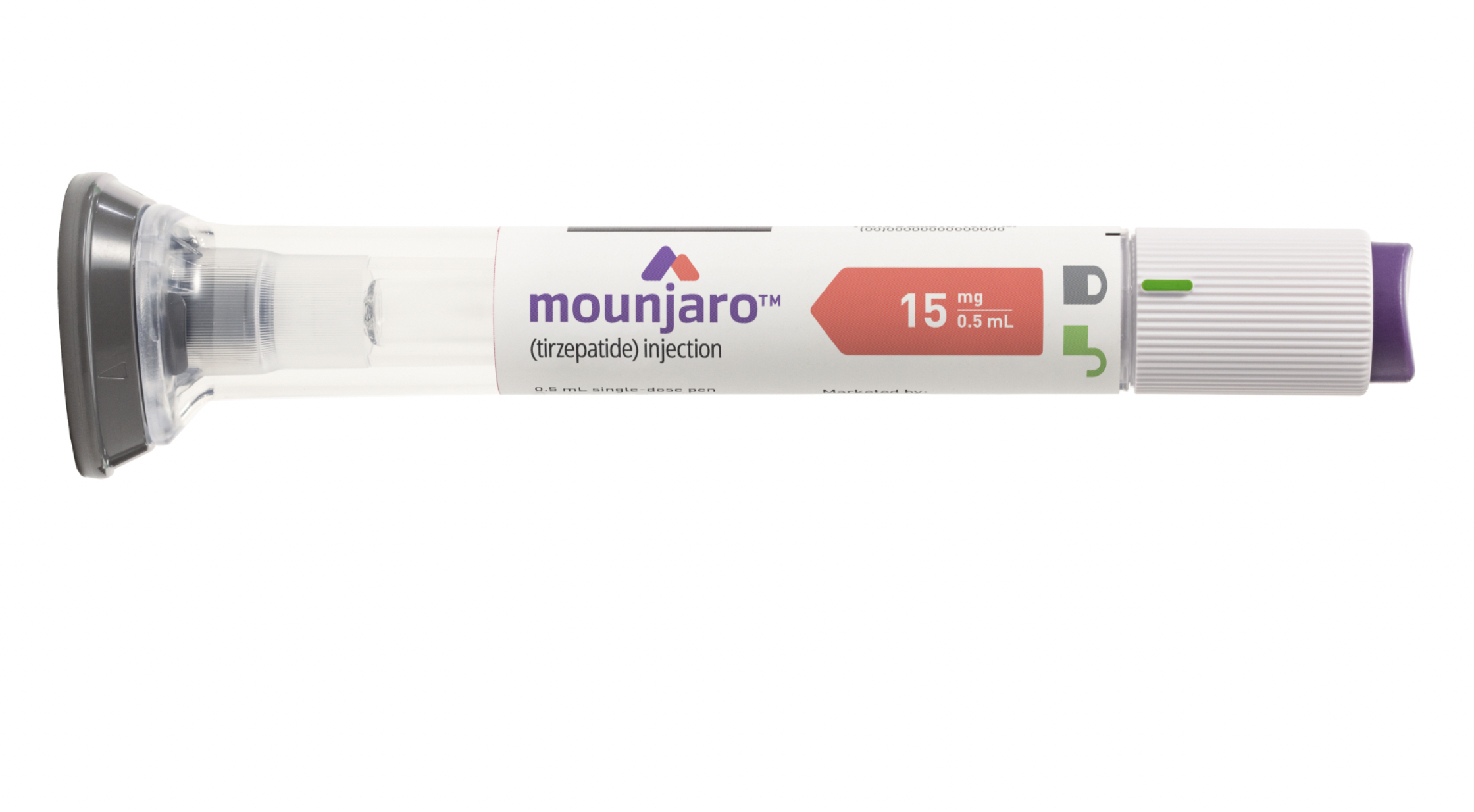
PlexusDx sources compounded semaglutide from licensed 503A pharmacies, eliminating middleman markups and insurance overhead
To overcome this limitation, GLP-1 analogs have undergone extensive structural modifications to render them resistant to degradation while replicating the pharmacological functions [6, 7]